


How to Measure Ring Size Correctly at Crystal Jewelers in Greensboro

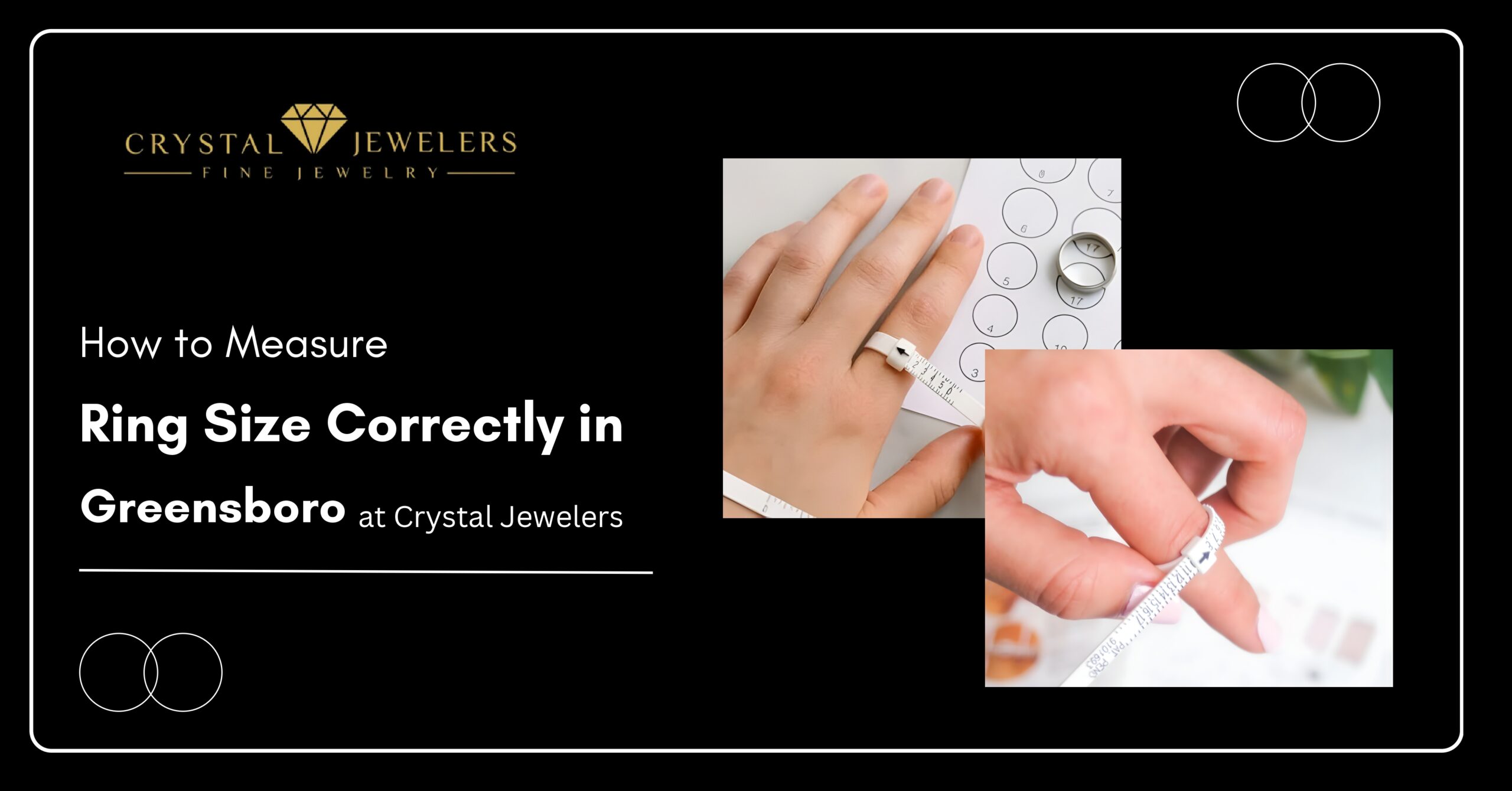
Have you ever wondered if your ring will fit perfectly? Many people worry about ring size before buying jewelry. A ring that fits well feels safe and comfortable daily. A poor fit can cause pain or accidental loss. We often see confusion around correct ring sizing. Learning how to measure ring size brings peace of mind. It also helps avoid returns and resizing delays later. We believe simple steps can give accurate sizing results. Our guide explains easy and trusted sizing methods. We focus on home methods and professional options.
Each section uses clear steps and simple words. You will learn what works and what to avoid. By the end, ring sizing will feel easy and clear. Let us start with why ring size matters so much. Good sizing knowledge helps every jewelry buyer succeed.
Why Ring Size Accuracy Matters
Comfort During Daily Wear
Ring comfort affects how often jewelry gets worn. A correct size allows smooth finger movement all day. Tight rings can pinch skin and limit circulation. Loose diamond engagement rings may twist and feel distracting. We want rings to always feel natural and secure.
Safety and Ring Security
Ring safety depends on proper sizing. Loose ladies’ rings can slip off without notice. This increases the risk of permanent loss. Tight rings may get stuck during swelling. The correct size keeps rings safe on fingers.
Long-Term Jewelry Care
Proper sizing protects the ring structure. Stress from a poor fit can weaken metal over time. Stones may loosen due to pressure changes. Correct sizing helps jewelry last longer. We believe fit protects both comfort and value.
How to Measure Ring Size at Home
Using the String or Paper Method
This is a simple and popular method for how to measure ring size. Wrap a paper strip around the finger base. Mark where the strip meets without pulling tight. Measure the length using a ruler in millimeters. Compare the number with a ring size chart.
Best Conditions for Measuring at Home
Measure fingers at normal room temperature. Cold weather makes fingers smaller than usual. Heat causes swelling and incorrect results. We suggest measuring midday for the best accuracy. Avoid measuring after physical activity.
Repeating Measurements for Accuracy
Measure the same finger multiple times. Slight differences can happen each time. Take an average of all measurements. This reduces errors and improves results. Consistency leads to better sizing confidence.
How to Measure Ring Size Using a Ring
Choosing the Correct Reference Ring
Select a ring that fits the finger well. The ring should not feel tight or loose. Use a ring worn on the same finger. Avoid bent or damaged rings for measuring. Shape and comfort must match closely.
Measuring the Inside Diameter
Place the ring flat on a table. Measure the inside width with a ruler. Do not include metal edges in measurement. Use millimeters for best accuracy. Match the number with a sizing chart.
Understanding Ring Style Differences
Wide bands feel tighter than thin bands. Wide rings may need a larger size. Comfort fit styles feel smoother inside. We suggest testing similar band styles. Style choice affects final comfort level.
How to Measure Ring Size Without Tools
Printable Ring Size Guides
Many websites offer printable size charts. Print the guide at full scale only. Place your finger or ring on the circles. Match the size that fits perfectly. Check printer settings before printing.
Using Visual Comparison Methods
Visual matching works in some situations. Compare finger size with someone similar. This helps mainly for surprise gifts. Accuracy is limited with visual guessing. We recommend this only as a last option.
Using Mobile Measuring Apps Carefully
Some apps help estimate ring size. Results vary based on device accuracy. Always double-check app results manually. Apps should not be the only method used. Cross-checking improves final accuracy.
How to Measure Ring Size Without Measuring
Borrowing a Ring for Reference
Borrow a ring worn on the same finger. Trace the inside shape on paper carefully. Do not include metal thickness in tracing. Bring the tracing to a jeweler. This helps estimate the size more accurately.
Observing Finger and Hand Shape
Look at hand size and finger length. Compare with your own hand if similar. Notice knuckle size and finger width. This method offers rough estimates only. It should not replace proper measuring.
Planning for Resizing Options
Resizing is possible for many rings. Some designs cannot be resized easily. Stone settings may limit resizing options. We suggest knowing the resizing rules before buying. Planning reduces future stress.
Professional Ring Sizing Methods
Using Ring Sizer Tools
Jewelers use metal sizing rings. You try different sizes for comfort. They check fit while fingers move naturally. This method gives very accurate results. It removes guessing completely.
Considering Finger Shape and Swelling
Professionals consider knuckle size carefully. They check fit past the knuckle. They allow space for swelling changes. This ensures long-term comfort. Experience improves sizing accuracy greatly.
Best Rings for Professional Sizing
Engagement rings need a perfect fit. Wedding rings require daily comfort. High-value rings benefit from accuracy. Professional sizing prevents costly mistakes. Important purchases deserve expert help.
Common Ring Sizing Mistakes to Avoid
Measuring at the Wrong Time
Cold fingers give smaller measurements. Hot fingers give larger measurements. Timing affects the size results significantly. Midday offers a stable finger size. We suggest avoiding extreme temperatures.
Pulling Measuring Tools Too Tight
A tight string causes incorrect readings. The ring should slide on comfortably. It should not squeeze the finger. Gentle tension gives better results. Comfort should guide measurement pressure.
Ignoring Band Width and Style
Wide bands feel tighter on fingers. Thin bands feel lighter and looser. Ignoring width leads to discomfort. We recommend adjusting the size for the width. Style affects fit more than expected.
Ring Size Tips for Online Shopping
Checking Store Size Guides
Always read sizing guides carefully. Each store may follow slight variations. Charts help convert measurements accurately. We suggest saving your measurements. Consistency helps future purchases.
Understanding Return and Resize Policies
Check resizing rules before ordering. Some rings cannot be resized later. Return policies protect buyers from mistakes. We recommend reading policies carefully. Preparation reduces disappointment later.
Ordering Comfort Fit Designs
Comfort-fit rings feel smoother inside. They reduce pressure on finger skin. These designs help with daily wear comfort. They suit people new to wearing rings. Comfort fit improves overall experience.
Conclusion
Measuring ring size correctly makes every jewelry purchase easier. A proper fit keeps rings comfortable, safe, and enjoyable every day. It also helps prevent loss, resizing delays, and future frustration. We believe ring sizing should feel simple and stress-free. Home measuring methods work well when done carefully and patiently. However, professional sizing always gives the highest accuracy.
Understanding finger shape, band width, and daily swelling matters greatly. Small details can make a big difference in long-term comfort. Taking time to measure properly protects both the ring and its value. When accuracy matters most, expert help brings peace of mind. At Crystal Jewelers, careful sizing ensures rings feel perfect from day one.
FAQs
We can measure ring size at home using simple tools. A paper strip or string works well for finger measurement. Wrap it gently around the finger base without pulling it tight. Mark the meeting point and measure the length in millimeters. Compare the result with a reliable ring size chart online. Repeat the process two or three times for better accuracy.
The best time to measure ring size is midday. Fingers are usually stable in size during this time. Early mornings may cause fingers to feel smaller. Evenings can cause swelling from daily activity. Room temperature helps provide more accurate results. We recommend avoiding measurement after exercise or heat.
Yes, we can measure ring size using a well-fitting ring. Place the ring flat on a surface with good lighting. Measure the inside diameter carefully using a ruler. Do not include the metal edges in the measurement. Match the diameter with a standard ring size chart. This method works best with round and undamaged rings.
Knowing ring size without tools can be difficult, but possible. We can borrow a ring that fits the intended finger well. Tracing the inside shape helps professionals estimate size. Visual comparison with similar hands may offer clues. This method works mainly for surprise gifts. Professional confirmation is still strongly recommended.
Yes, wide rings usually feel tighter than thin rings. More skin contact causes pressure around the finger. We often need to choose a slightly larger size. Comfort fit styles help reduce tightness issues. Trying similar wide bands improves sizing accuracy. Ignoring width can lead to discomfort after purchase.
Professional ring sizing provides the most accurate results. Jewelers use precise tools designed for comfort testing. They consider finger shape, swelling, and ring style. This reduces the need for resizing later. Important rings benefit most from professional sizing. Accuracy brings long-term comfort and peace of mind.